
25122009 sake
ぬる燗にするとすこぶる旨い。

ひたすらぬる燗、冷はなしで飲みきった。
HaskellのsplitAtはなんでタプルを返すんだろうか?
Prelude> :t splitAt
splitAt :: Int -> [a] -> ([a], [a])
Prelude> splitAt 3 [1,2,3,4,5]
([1,2,3],[4,5])
pythonで同じようなのを書いてみる。
>>> def splitAt (n,xs): return [xs[:n],xs[n:]]
...
>>> splitAt(3,[1,2,3,4,5])
[[1, 2, 3], [4, 5]]
>>> def splitAt (n,xs): return (xs[:n],xs[n:])
...
>>> splitAt(3,[1,2,3,4,5])
([1, 2, 3], [4, 5])
なんというか[[1, 2, 3], [4, 5]]のほうが見た目よろしい気がするのです。
24122009 Python
あとで読む。
23122009 伊豆
師走の西伊豆で『小あじ鮨』そして『潮かつお』で潮かつおなるものを知った。小あじ鮨は存在を知っていたがいつもスルーしてたので、この機会にちょっと行ってみた。

小あじ鮨とカサゴ汁


地物のにぎり盛り合わせ(海老は手長海老)


潮かつおは丸々一匹でなくて半身のモノしかなかったが、とりあえず食べてみたかったので買えて満足。あと、かつおの塩辛も買った。
21122009 長泉
知り合いに出産祝いを届けに長泉にいったので、お昼はクレマチスの丘で。
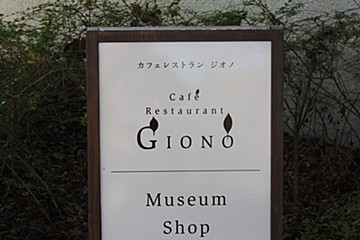




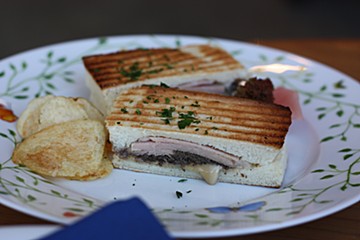
カレーもうまかったが、子供用の野菜たっぷりドリアが良かった。カレーの辛さは3歳の娘でもバクバクいけるくらいの辛さだったので、辛さは僕にはちょっと物足りなかったけど。
20122009 life
「人を励ますのが苦手な人」なので読んだ。
19122009 Haskell
最初
simpleHTTP (getRequest "http://www.haskell.org/")
みたいに書けばいいので簡単だと思ってたのだけど、リクエストにBasic認証のヘッダを含める方法がわからなくてRequest型を作るのにCodec.Binary.Base64.String入れるはめになった。postRequestで組み立てられると思うんだけど。
import Network.HTTP
import Network.URI
import Codec.Binary.Base64.String
import Data.Maybe

tweet msg = simpleHTTP req where
    req = Request uri POST [ah] "" where
        ah = Header HdrAuthorization $ "Basic " ++ encode "user:pass"
        uri = fromJust $ parseURI $ "http://twitter.com/statuses/update.xml?"
              ++ urlEncodeVars [("status", msg)]
17122009 Haskell
構成子関数は評価済みであり、それ以上簡約できないとはどういうことなんだろうか?
data MyAdd = MyAdd {ev :: (Int -> Int)}
これはIntをとってIntを返す関数を表す型
*Main> let add5 = MyAdd (\n -> n + 5)
*Main> :t add5
add5 :: MyAdd
MyAdd型ってなっててこれ以上簡約できない。でも実態はラムダ式なんでしょってことで、Intを渡すとエラー
*Main>add5 3

<interactive>:1:0:
    Couldn't match expected type `t1 -> t'
           against inferred type `MyAdd'
    In the expression: add5 3
    In the definition of `it': it = add5 3
evアクセサをつかってアクセスする。
*Main> ev add5 3
8
要するに型とは簡約のレベル(深さ)を定義するってこと?
構成子関数はこういう型だと認識して納得。その後TLを追いかけ直して、理解した。
MyAdd :: (Int -> Int) -> MyAdd
よくよく考えてみるに、僕はこの右辺を(Int -> Int)という(ラムダ関数みたいなもの)にMyAddっていうラベルをつけるみたいなイメージを漠然と持っていたようです。
data MyAdd = MyAdd (Int -> Int)
で、
let add5 = MyAdd (\n -> n + 5)
とやると(MyAdd型にラベル付けされた)関数に束縛されたadd5っていう変数が生まれると。 だから型で一時停止してその先には(\n -> n + 5)っていう関数が待っているのかなぁつまり、
型とは簡約のレベル(深さ)を定義するってこと?
という、冒頭のような勘違いをしていた。
型とは新規な器みたいなものだと捉えられるようになったら、下の話も理解できた。
@kzfm うーん、うまく説明できないんですが、そもそも単なる別名になってほしくないからnewtypeを使っていて、別名になってほしいならtypeを使うと思うんです。だから、Parse型の値に引数を適用できないのは、そのほうが型チェックの恩恵を受けれるからだと思います。
@kzfm newtypeは結果的に一個の型に別名をつけるだけに見えてしまうのでtype文に似てるように思ってしまうのですが、むしろdata文の特殊な形と思った方がいいと思います
 Real World Haskell―実戦で学ぶ関数型言語プログラミング



 Essential Sqlalchemy
 伊豆 (ことりっぷ)
 人を励ますのが苦手な人のための50の簡単な方法
 Software Design (ソフトウエア デザイン) 2009年 04月号 [雑誌]
 プログラミングHaskell